When Should You Take Creatine? Pick a Daily Time – Not a Workout Slot
Any time you can keep every day: two health systems say consistent daily use matters more than timing around workouts. Most people take 3 to 5 grams a day; a 20-gram daily load for 5 to 7 days is optional.
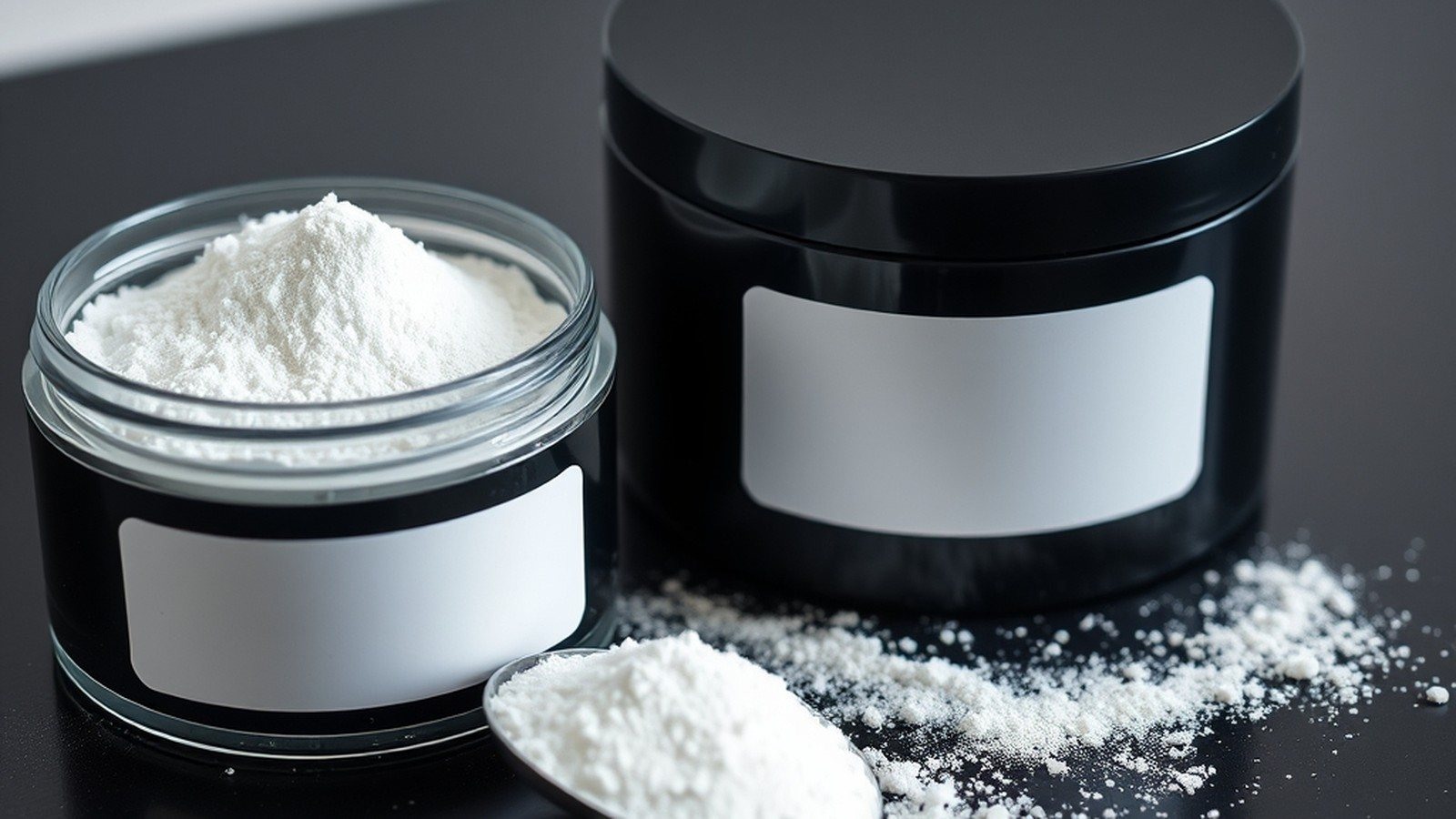
Health systems say the daily habit matters more than the hour.
So when should you take creatine? At a time you can keep every day, whether that is before training, after it, or on a rest day. The real choice is how you start: a one-week load of 20 grams a day, or a steady 3 to 5 grams from day one.
Check first: if you have kidney or liver issues, read the last section before your first dose.
Timing: two health systems put daily use ahead of the workout clock
University of Rochester Medicine’s creatine guide for beginners says it directly: “Its benefits depend on consistent daily use rather than timing around workouts.” Houston Methodist’s creatine explainer reaches the same answer: “Consistent daily intake matters more than timing it around your workout.”
The other side deserves a hearing. EatingWell’s article on creatine timing says, “Taking creatine with food directly after a workout can help you improve your strength and gain muscle mass.”
Here’s how the two views fit. On a training day, a dose after your workout is still your daily dose. EatingWell’s after-workout advice does not cover rest days. The pages also differ on whether the hour adds anything beyond the habit.
Both health-system pages say the habit is what counts. So if right after training is when you will remember, use that time. Then give rest days a fixed time of their own so they don’t turn into skipped days.
Loading is optional; the steady dose is 3-5 g a day, or 10 g near 200 lb
The sources describe two ways to start.
- A load. Baylor Scott & White describes an optional loading phase: “Take 20 grams of creatine daily for 5 to 7 days.”
- A steady daily amount from day one. University of Rochester Medicine says most people take 3 to 5 grams a day, that 5 grams a day suits most people, and that those who weigh close to or above 200 pounds “may benefit from 10 grams per day.”
So by Rochester’s numbers, the steady amount depends on body size: 5 grams for most people, 10 grams near or above 200 pounds. The table below uses that 200-pound split.
Load or steady dose: 100-140 g in a week, or in 20-28 days at 5 g
Load total = 20 g x 5 to 7 days = 100 to 140 g (Baylor Scott & White loading phase); at 5 g a day, 100 / 5 = 20 and 140 / 5 = 28 days to take the same grams, and at 10 g a day, 100 / 10 = 10 to 140 / 10 = 14 days (University of Rochester Medicine daily doses).
| Start | Grams per day | 5 g servings per day | Grams in 7 days | Days to take 100-140 g |
|---|---|---|---|---|
| Baylor Scott & White load | 20 | 4 | 140 (7-day load) | 5-7 |
| Rochester, near or above 200 lb | 10 | 2 | 70 | 10-14 |
| Rochester, most people | 5 | 1 | 35 | 20-28 |
| Rochester, low end of 3-5 g | 3 | 0.6 | 21 | 34-47 |
What the table shows:
- A load gets you to 100-140 g taken sooner. It does not add grams. Baylor Scott & White puts it this way: “For faster results, you can begin with a loading phase.” By the table, the load reaches 100-140 g taken 15 to 21 days sooner than a 5 g routine (5-7 days against 20-28). The table counts only the time to take the grams, not the time to an equal effect in your muscles.
- Near 200 lb, the gap shrinks to 5 to 7 days. At Rochester’s 10 g dose, you take the same 100-140 g in 10-14 days.
- A load empties the tub faster. It uses 100-140 g in 5-7 days. A 5 g routine takes 20 to 28 days to use that much.
- These are grams taken, not grams stored. The table compares how much you take on each route. It says nothing about what reaches your muscles.
Splitting the load: four 5 g servings through the day
Baylor Scott & White notes, “It is most common to split this into four 5-gram doses throughout the day.” That is 20 / 4 = 5 g per serving. A 5-7 day load adds up to 20 to 28 separate servings. The split sets how many servings, not when: link each one to something you already do every day.
If four servings a day for a week won’t happen, skip the load. The steady routes in the table take the same 100-140 g with one or two servings a day, over 10 to 28 days.
Possible side effects: early water weight of about 3-5 lb, headaches, diarrhea or cramps
University of Rochester Medicine says some people may get mild side effects, including an “initial, temporary weight gain of about 3–5 pounds due to increased water retention.” A dietitian quoted by EatingWell adds: “For some people this only lasts for the first few days of use.” So by Rochester’s account, a jump on the scale early on may be water, and for some people it passes in days.
Rochester also lists “Occasional headaches early on.” If they last beyond a month, its fix: “switching the form (powder versus capsules) or trying a different brand may help.” Houston Methodist says side effects “can include diarrhea and muscle cramping.” For a touchy stomach, a sports dietitian quoted by EatingWell says creatine hydrochloride (HCl) “may be helpful for those with sensitive stomachs.”
Side effects are one limit. The bigger one: Houston Methodist says creatine “only helps if you’re actually working out.” If you are not training, that line gives you no reason to start.
Pick one daily time; load only if you will take four servings a day for 5-7 days
The part you control is the one both health-system pages agree on: taking it every day matters, the hour does not. To match what Rochester and Houston Methodist describe, pick one daily time you will keep and take Rochester’s 5 g, or 10 g if you weigh near or above 200 pounds.
Add Baylor Scott & White’s 20 g load only if you want 100-140 g taken within a week, the route it offers “for faster results,” and can manage four servings a day.
Who should skip: anyone not working out, per Houston Methodist. With kidney or liver issues, see the last section first.
If you skip, food still supplies some: Baylor Scott & White says “A well-balanced diet should provide the adequate amount of creatine people need each day.”
Monohydrate is the form used in most clinical studies
About creatine monohydrate, EatingWell says: “This form is used in the vast majority of clinical studies.” On the Supplement Facts panel, look for that name and for its grams per serving. Houston Methodist adds one more check: pick a product “certified by an independent third-party laboratory.”
Then replace the table’s 5 g with your label’s serving size. Divide 20 by the grams per serving to get load servings per day. Divide 5 or 10 by it to get steady servings. Some labels list creatine only inside a proprietary blend, a mix that shows one total weight, with no grams given for the monohydrate itself.
With those labels, you can’t do the math.
The same label-versus-study check works for omega-3 doses and the other entries in FocusIQ’s ingredient evidence pages.
Kidney or liver issues: check with a doctor before the first dose
A Houston Methodist sports medicine doctor recommends talking to your doctor before taking creatine, and says “it might not be safe for everyone, such as those with kidney or liver issues.”
The Office of Dietary Supplements lists questions to ask a health care provider before taking any supplement. Among them: “What is the proper dose to take? How, when, and for how long should I take” it. For creatine, this page gives you a starting point for each.
Dose: 5 g, 10 g, or a 20 g load. Timing: any fixed daily time. Length: 5-7 days for a load; for the daily dose after it, that is the question to ask.
Who should check with a clinician first: anyone with kidney or liver issues, before any dose, per Houston Methodist. Since Houston Methodist and the Office of Dietary Supplements both advise a conversation first, that applies to anyone about to start.
It is not medical advice.
Sources
- https://www.urmc.rochester.edu/news/publications/health-matters/creatine-for-beginners-should-you-take-it
- https://examine.com/supplements/creatine/
- https://www.bswhealth.com/blog/6-creatine-benefits-for-your-body-and-brain
- https://www.eatingwell.com/best-time-to-take-creatine-11752945
- https://www.houstonmethodist.org/blog/articles/2024/apr/creatine-how-does-it-work-is-it-safe-when-should-you-take-it/
- https://ods.od.nih.gov/factsheets/WYNTK-Consumer/