Magnesium for Sleep: How Six Health Sources Rate the Evidence
Six health sources rate the evidence anywhere from 'thin' (Cleveland Clinic) to a plain 'Yes' (Grady Health), and the two that name a group point to people low in magnesium. On a label, the number to check is elemental magnesium, kept at or under the 350 mg a day supplement limit Cleveland Clinic cites.
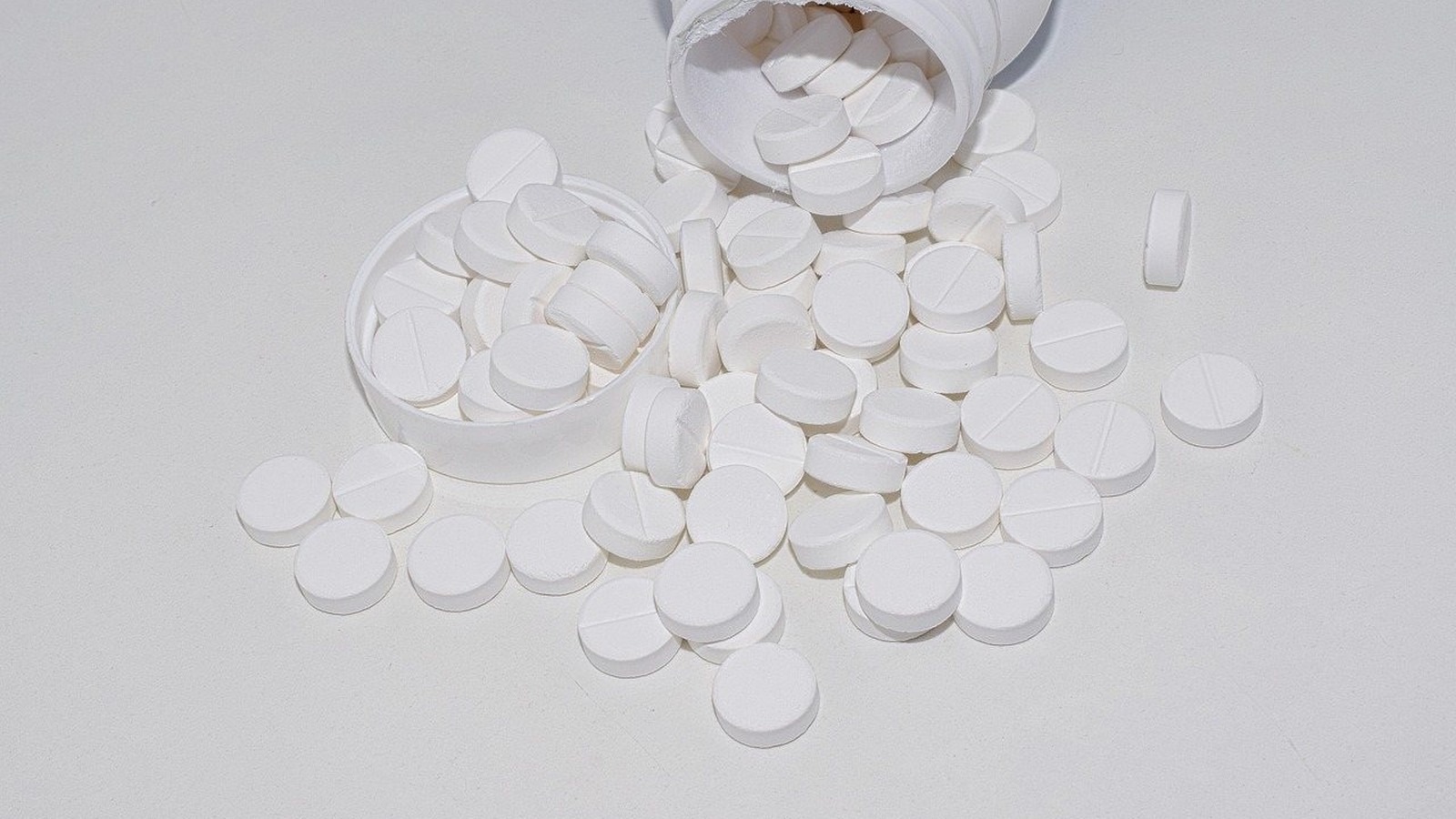
Grady Health’s FAQ answers “Yes”. Cleveland Clinic calls the evidence thin. The American Cancer Society (ACS) and the Sleep Foundation say research suggests it may help some people, mainly those low in magnesium. If you try it, Cleveland Clinic cites 350 mg a day as the adult upper limit for magnesium from supplements, a ceiling, not a dose to aim for.
More than 3 in 4 US adults say they don’t always get the sleep they need, per an American Academy of Sleep Medicine (AASM) survey reported by ACS.
This page summarizes public health sources and published research. It is not medical advice.
See a clinician before you buy if: your sleep trouble keeps coming back, you’re pregnant, you’re buying for a teen, or you take prescription medicines. A guide to dietary supplements from the National Institutes of Health (NIH) warns that some supplements can interact with medicines.
Magnesium for Sleep Rests on Thin, Mixed Evidence
The “thin” rating comes from Naoki Umeda, MD, an integrative medicine specialist at Cleveland Clinic, who adds that some people find it helps. “Most of the studies on sleep and magnesium are small, and the overall evidence is lacking,” Dr. Umeda says. ACS describes study results as “mixed”.
A 2025 review of magnesium in sleep disorders rated its human studies with the Newcastle-Ottawa Scale and the Cochrane Collaboration tool, two checklists for rating how trustworthy a study is.
What magnesium does in the body is better settled. The NIH Office of Dietary Supplements says it helps regulate muscle and nerve function, blood sugar levels and blood pressure. Those roles explain the interest, but on their own they don’t show a sleep effect.
Six Sources Range From “Thin” to “Yes”
| Source | Evidence, in its words | Who or what it points to | Intake and food |
|---|---|---|---|
| Cleveland Clinic | “Thin”; most studies small | Some people find it helps | Start at 100–200 mg elemental (the magnesium itself, not the whole compound); 350 mg/day adult limit from supplements |
| American Cancer Society | Results “mixed” | Some people, especially those low in magnesium; for chronic insomnia, AASM recommends cognitive behavioral therapy for insomnia (CBT-I) | Sleep basics first (Richard T. Lee, MD) |
| Sleep Foundation | May help some; more research needed | Mainly people with low levels | No more than 350 mg for sleep; nuts, leafy greens, whole grains; nearly 50% may not get enough |
| Grady Health | FAQ answer: “Yes” | People with low levels | Many adults take 200–400 mg a day; many people fall short from diet |
| 2025 review | Rated human studies with Newcastle-Ottawa and Cochrane tools | — | — |
| NIH and NIH supplement guide | Lists body roles: muscle, nerve, blood sugar, blood pressure | Needs differ by age and sex | Food plus supplements generally above recommended; supplements can interact with medicines |
Rows run from the most cautious wording to the firmest; the two sources with no sleep verdict sit last. NIH’s two fact sheets count as one source.
The firmest wording comes from a health-system FAQ. Three sources, ACS, the Sleep Foundation and Grady, name a group that may sleep better, and all three point to people low in magnesium.
On dose, Grady says many adults take 200–400 mg a day; Cleveland Clinic and the Sleep Foundation cap it at 350 mg.
Who the Research Points To: People With Low Magnesium Levels
The Sleep Foundation says research suggests magnesium may improve sleep for some people, mainly those with low magnesium levels, and that more research is needed. It adds that nearly 50% of US adults and children may not get enough magnesium.
Grady Health also says many people don’t get enough magnesium from their diet. It links low levels to poor sleep, stress, muscle cramps and fatigue. NIH pushes back a little: once food and supplements are counted together, total US intakes are generally above recommended amounts (NIH).
NIH names the groups more likely than others to get too little magnesium:
- People with gastrointestinal conditions, such as Crohn’s or celiac
- People with type 2 diabetes
- People with long-term alcoholism
- Older people
Men older than 70 and teenage girls and boys are the most likely to have low intakes.
Eating too little magnesium and having low levels in your body are two separate questions. Cleveland Clinic notes that less than 1% of the body’s magnesium is in the blood. That means a normal blood test doesn’t settle whether your stores are low. A clinician has to make that call.
How Much Magnesium You Need Depends on Age and Sex
The NIH fact sheet says the amount you need depends on age and sex, and it lists daily amounts in milligrams. These are the rows most readers need:
| Group (NIH) | Daily amount (mg) |
|---|---|
| Teen boys, 14–18 | 410 |
| Teen girls, 14–18 | 360 |
| Adult men | 400–420 |
| Adult women | 310–320 |
| Pregnant teens | 400 |
| Pregnant women | 350–360 |
The 350 mg supplement limit in the label-math section below is a separate number. It counts supplements only.
Food First: Nuts, Leafy Greens and Whole Grains
The Sleep Foundation lists nuts, leafy greens and whole grains among food sources of magnesium. Checking how often they show up in a normal week costs nothing. It won’t give you a milligram total, but it shows whether your diet is worth raising with a clinician.
If a supplement you already take lists magnesium, count it before you buy a second one.
Label Math: 2,000 mg on the Front Can Mean About 150 mg of Magnesium
A label can print the weight of the whole magnesium compound or only the elemental magnesium inside it. Only the elemental number can be compared with the NIH amounts and the supplement limit.
Cleveland Clinic and the Sleep Foundation both name two forms. Magnesium glycinate is bound to the amino acid glycine. Magnesium L-threonate is designed to cross the blood-brain barrier more efficiently.
The arithmetic, using Cleveland Clinic’s figures, for a label that lists 2,000 mg of L-threonate per serving:
- Elemental magnesium per serving: about 140–150 mg.
- Elemental share: 140–150 ÷ 2,000 = 7–7.5% of the compound weight.
- Cleveland Clinic’s starting range: 100–200 mg, so one serving fits.
- Two servings: 280–300 mg, under the 350 mg limit.
- Three servings: 420–450 mg, over the limit.
These sources don’t give glycinate’s elemental share, so read the elemental line on the panel instead of reusing the 7% figure. They don’t list prices either. To get cost per day, divide the brand’s bottle price by its servings, then multiply by the servings you’d take.
More is not always better. The Sleep Foundation says too much can cause diarrhea and stomach upset, and Grady notes magnesium citrate may cause loose stools in some people. If that worries you, Cleveland Clinic says glycinate tends to be gentle on your stomach.
The same gap between the front-of-bottle number and the active amount shows up in omega-3 EPA and DHA doses.
Verdict: A Question Worth Checking, Not a Settled Sleep Aid
- Verdict: magnesium for sleep fits a reader who may run low on magnesium and will check that first. The sources don’t back it as a sleep aid for everyone.
- The flaw: no source here sets a sleep dose that works in general. Cleveland Clinic calls the evidence thin, and ACS calls the results mixed. The fix: before you buy, check your diet, your NIH row, the label’s elemental milligrams and a clinician’s view.
- Strengths: Cleveland Clinic calls starting at 100–200 mg nightly “a safe and reasonable approach.” Grady Health says most people don’t feel groggy the next day.
- Who should skip it, and what to do instead: if your sleep trouble is long-running, ACS reports that the AASM recommends CBT-I for chronic insomnia, and Dr. Lee, quoted there, puts sleep basics first. If you take medicines, ask your prescriber about magnesium before you start.
Next step: see how other ingredients compare on label dose in the sleep and calm supplement guides.
Who Should Check With a Clinician First, and Five Questions to Bring
If the clinician box at the top fits you, bring these questions:
- Is my magnesium intake or level actually low, and how would we check?
- Which NIH row applies to me, including the pregnancy and teen amounts?
- Could magnesium interact with my medicines? NIH’s supplement guide warns that some supplements can.
- How many elemental milligrams does this label give per serving, and how many servings keep me at or under 350 mg a day?
- Should CBT-I come first, as the AASM recommends for chronic insomnia, or sleep basics, as Dr. Lee suggests? Both are reported by ACS.
Sources
- https://www.cancer.org/cancer/latest-news/magnesium-for-sleep-what-you-need-to-know.html
- https://health.clevelandclinic.org/does-magnesium-help-you-sleep
- https://www.sleepfoundation.org/magnesium
- https://ods.od.nih.gov/factsheets/Magnesium-Consumer/
- https://www.gradyhealth.org/blog/3-ways-magnesium-can-improve-your-sleep/
- https://pmc.ncbi.nlm.nih.gov/articles/PMC12535714/
- https://ods.od.nih.gov/factsheets/WYNTK-Consumer/