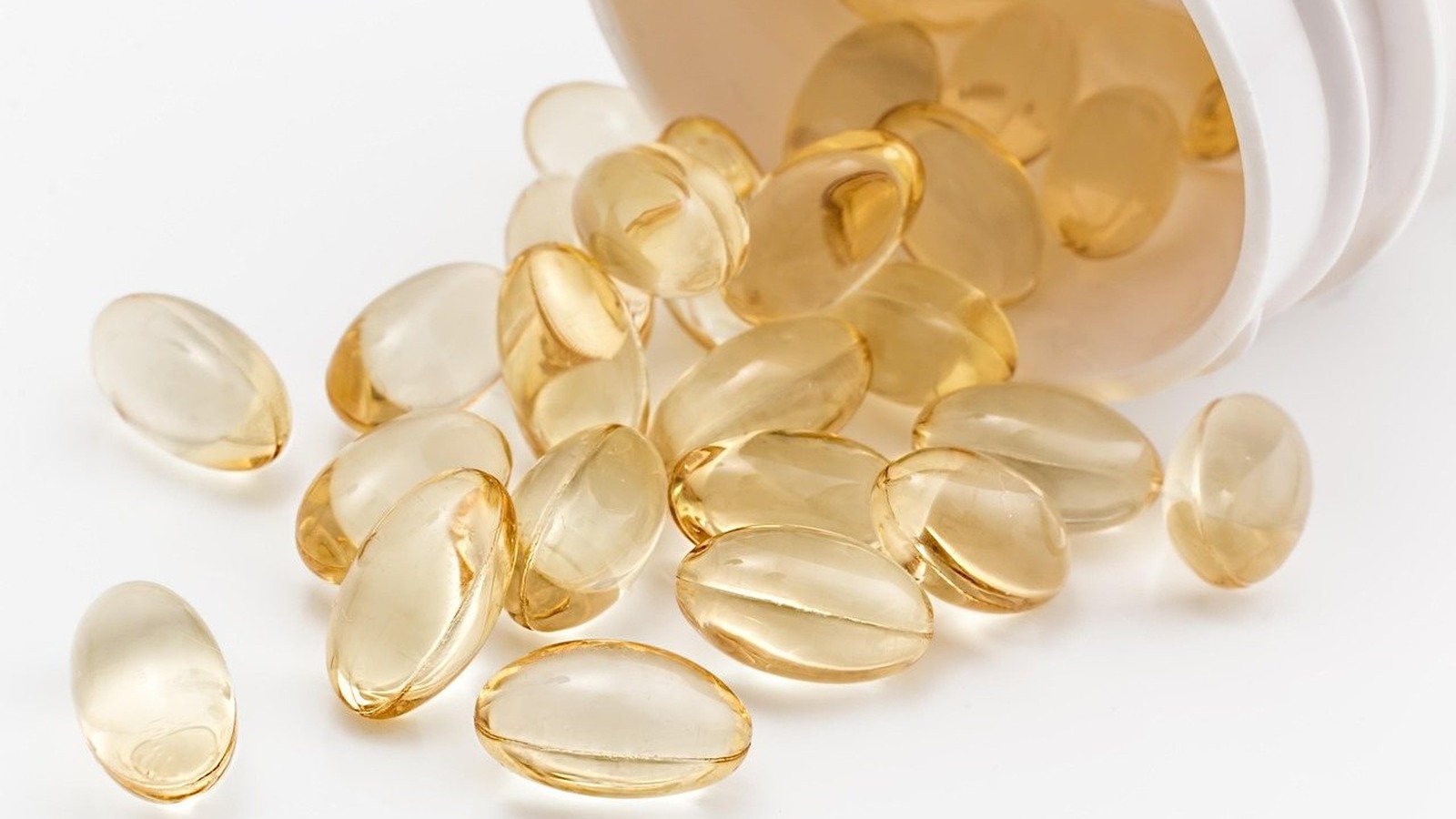
Buying Omega-3 Supplements: Check for EPA and DHA – Not Just ALA
Look for separate EPA and DHA lines on the label: the ALA in flaxseed, chia or hemp turns into EPA and DHA at reported rates of less than 15%. Fish, cod liver, krill, green-lipped mussel and algal oils carry EPA and DHA ready-made.
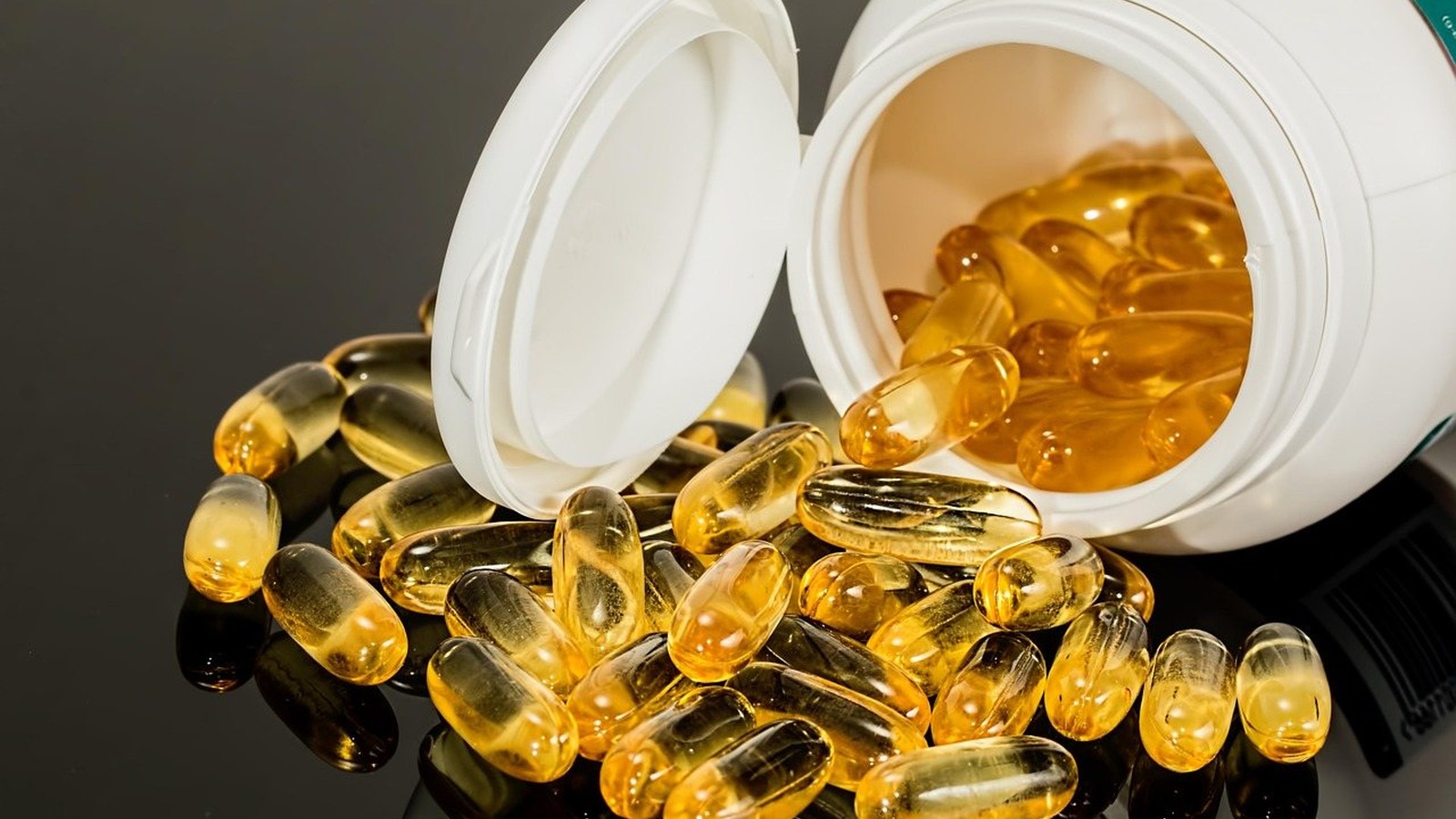
Five kinds of omega-3 supplement oil carry EPA and DHA ready-made: fish oil, cod liver oil, krill oil, green-lipped mussel oil and algal oil.
Flaxseed, chia and hemp supply ALA instead, a plant omega-3 the body turns into EPA and DHA at reported rates of less than 15%. In natural fish oil, about 300 mg of every 1,000 mg is EPA plus DHA, and concentrated oils can carry more (Healthline).
If you take medicines, are pregnant or nursing, or are buying for a child, read the last section first.
Plants supply ALA; only marine sources supply EPA and DHA ready-made
NIH’s consumer fact sheet names three main omega-3 fatty acids: alpha-linolenic acid (ALA), eicosapentaenoic acid (EPA) and docosahexaenoic acid (DHA). It says ALA is found mainly in plant oils such as flaxseed, soybean and canola.
The body can build EPA and DHA from ALA, but NIH’s health professional sheet calls that conversion “very limited”. So it says getting EPA and DHA directly from foods or supplements is “the only practical way to increase levels” of them in the body.
Microalgae make EPA and DHA; fish, krill and mussels carry them
According to NIH, EPA and DHA are present in fish, fish oils and krill oils, but are “originally synthesized by microalgae”. Fish pass these fats along; the microalgae make them. That gives five direct sources:
- Fish oil, sold in three forms (natural, ethyl ester and reformed triglyceride, compared in the table below).
- Cod liver oil, which NIH’s consumer page lists as its own supplement type. Carlson Labs’ collection page says it provides naturally occurring EPA and DHA along with vitamins A and D.
- Krill oil, which NIH names alongside fish oil. Healthline says it carries omega-3s in both triglyceride and phospholipid form.
- Green-lipped mussel oil, which Healthline says carries EPA and DHA plus trace amounts of a rarer omega-3, eicosatetraenoic acid (ETA).
- Algal oil, made from the microalgae themselves. NIH calls it “a vegetarian source”, and Healthline says marine microalgae are “another source of EPA and DHA”. Check that an algal panel lists both an EPA line and a DHA line.
Flaxseed, chia and hemp give ALA, and the conversion rate is reported under 15%
Healthline lists flaxseed, chia seeds and hemp seeds among the foods high in ALA. It says the body can turn ALA into EPA or DHA, “but this process is inefficient.” NIH puts a number on it: reported conversion rates of less than 15%.
So a flax, chia or hemp capsule sold as “omega-3” is an ALA product. If you avoid animal foods and want EPA and DHA themselves, algal oil is the direct source.
Natural fish oil holds about 300 mg EPA plus DHA per 1,000 mg; concentrated oil can hold more
Healthline puts typical fish oil at about 180 mg EPA and 120 mg DHA per 1,000 mg, in the section on natural fish oil, which comes in capsules or liquid. The arithmetic: 180 mg + 120 mg = 300 mg, or 30% of the oil’s weight.
That figure holds for natural oil only. The same guide says processed fish oil is purified, concentrated or both, and that “concentrating the oil can also increase EPA and DHA levels.” So read each product’s own EPA and DHA lines rather than assuming 30%. Our omega-3 dose guide works through turning those two lines into servings per day.
Seven supplement oils supply EPA and DHA directly; the ALA oils and seeds do not
This table combines NIH’s health professional and consumer fact sheets with Healthline’s supplement guide and Carlson Labs’ page. It has ten rows: two ALA rows, fish as food, and seven supplement oils. Use it to rule a product in or out before you compare labels.
| Source | Omega-3 it supplies | EPA + DHA directly? | Form or label note | If this one doesn’t fit you |
|---|---|---|---|---|
| Flaxseed, soybean, canola oils | ALA (NIH) | No: conversion reported under 15% (NIH) | Plant oil | you want EPA and DHA without animal sources → algal oil |
| Chia and hemp seeds | ALA (Healthline) | No: same conversion step | Seed food | same → algal oil |
| Fish (food) | EPA, DHA (NIH) | Yes | AHA advice is one to two seafood servings a week (NIH) | you eat no seafood → a direct-source oil below |
| Natural fish oil | EPA, DHA | Yes | About 180 mg EPA + 120 mg DHA per 1,000 mg; “also contains vitamins A and D” (Healthline) | you avoid fish → algal oil |
| Ethyl ester fish oil | EPA, DHA | Yes | “May also be more prone to oxidation and rancidity” than triglycerides (Healthline) | you want the “well absorbed” form → reformed triglyceride |
| Reformed triglyceride fish oil | EPA, DHA | Yes | Turned back into triglyceride form, “well absorbed”; the most expensive fish oils (Healthline) | you avoid fish → algal oil |
| Cod liver oil | EPA, DHA (Carlson Labs) | Yes | Comes with vitamins A and D, per Carlson; NIH lists it as a separate type | you avoid fish → algal oil |
| Krill oil | EPA, DHA (NIH) | Yes | Triglyceride and phospholipid form (Healthline) | you avoid animal products → algal oil |
| Green-lipped mussel oil | EPA, DHA + trace ETA (Healthline) | Yes | Count only the EPA and DHA lines | you avoid animal products → algal oil |
| Algal oil | EPA, DHA; microalgae make them in the first place (NIH) | Yes | “A vegetarian source” (NIH); check for both lines | you eat seafood → food first (below) |
Any row marked “No” is out before price comes into it. Every “Yes” row still needs its panel read.
Carlson’s page lists four body systems; NIH’s firmest stated effect is lower triglycerides
Carlson Labs’ collection page says EPA and DHA “help support cardiovascular health, brain and cognitive function, healthy vision, and joint health”. That is the brand’s marketing line, not an NIH finding.
NIH’s consumer page says getting more EPA and DHA “lowers triglyceride levels”. Triglycerides are a type of fat in the blood. NIH’s supplement basics page adds a hedged line: omega-3s from fish oils “might help some people” with heart conditions. When a brand lists body systems, look for the matching sentence on an NIH page.
If there is none, read the claim as marketing.
Food first: one to two seafood servings a week comes before any capsule
NIH’s general guidance says supplements “can’t take the place of the variety of foods” that make up a healthy eating routine.
Capsules have a real weak point here. Healthline notes that “many health benefits of eating fatty fish do not necessarily extend to supplements.” NIH’s consumer page says it is “not clear” whether the benefits seen in seafood eaters come from the omega-3s or from other parts of the food. The same NIH page carries the fix: the American Heart Association’s advice of one to two servings of seafood per week.
The best-absorbed fish oil has its own drawback. Healthline says reformed triglycerides are “the most expensive fish oil supplements” and only “a small percentage of the market.” So if you eat fish, start with the fish. If you also want a capsule, choose a direct source from the table: a reformed triglyceride oil if its price works for you, or another fish oil compared on its EPA and DHA lines if not.
If you eat no animal products, choose algal oil over flax, chia or hemp.
Related reading: Omega-3 With Vitamin E; Creatine Supplement Label Math.
FAQ
Is cod liver oil the same as fish oil?
Not quite. NIH’s consumer page lists cod liver oil as its own supplement type next to fish oil and krill oil. Carlson Labs says it provides EPA and DHA along with vitamins A and D (Carlson Labs).
Does algal oil contain EPA as well as DHA?
It can. Healthline says marine microalgae are a source of both EPA and DHA (Healthline), and NIH says microalgae make the two in the first place. Check that the product’s panel lists both lines.
What form are the omega-3s in krill oil?
Healthline says krill oil carries omega-3s in both triglyceride and phospholipid form (Healthline). Count its EPA and DHA lines the same way as any other oil.
Who should check with a clinician first
NIH’s supplement basics page (What You Need to Know) flags these situations for any supplement:
- You take medicines. It says supplements can also interact with some medicines in ways that might cause problems.
- You are pregnant or nursing. It says to be cautious about supplements beyond a standard prenatal one.
- You are thinking of giving a supplement to a child. It says to be careful unless the child’s health care provider recommends it.
Bring the Supplement Facts panel to that appointment.
This page is general information from NIH fact sheets and published guides, not medical advice.